Pigment solution
The Role of Pigment Solutions in the Animal Feed Industry

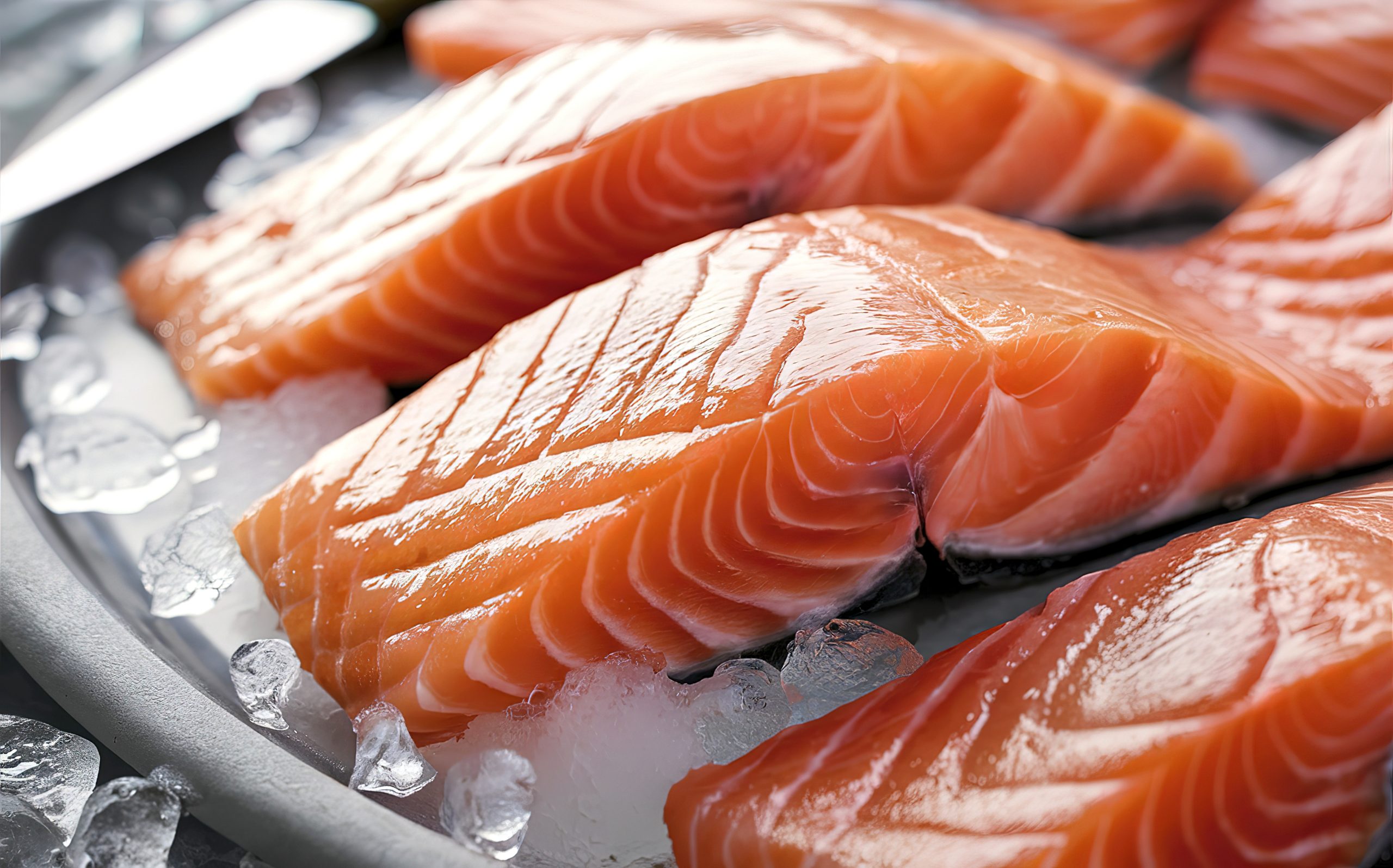
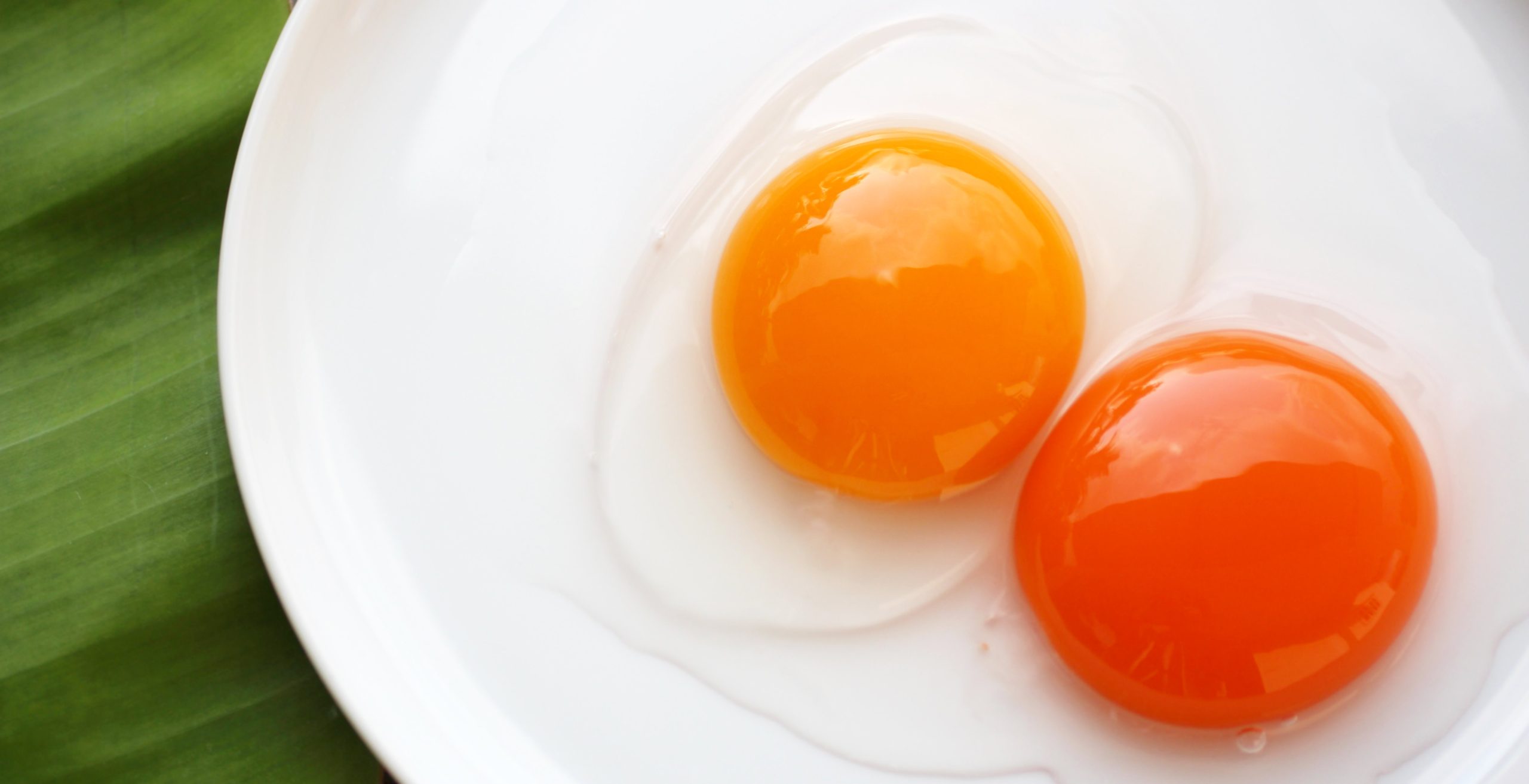
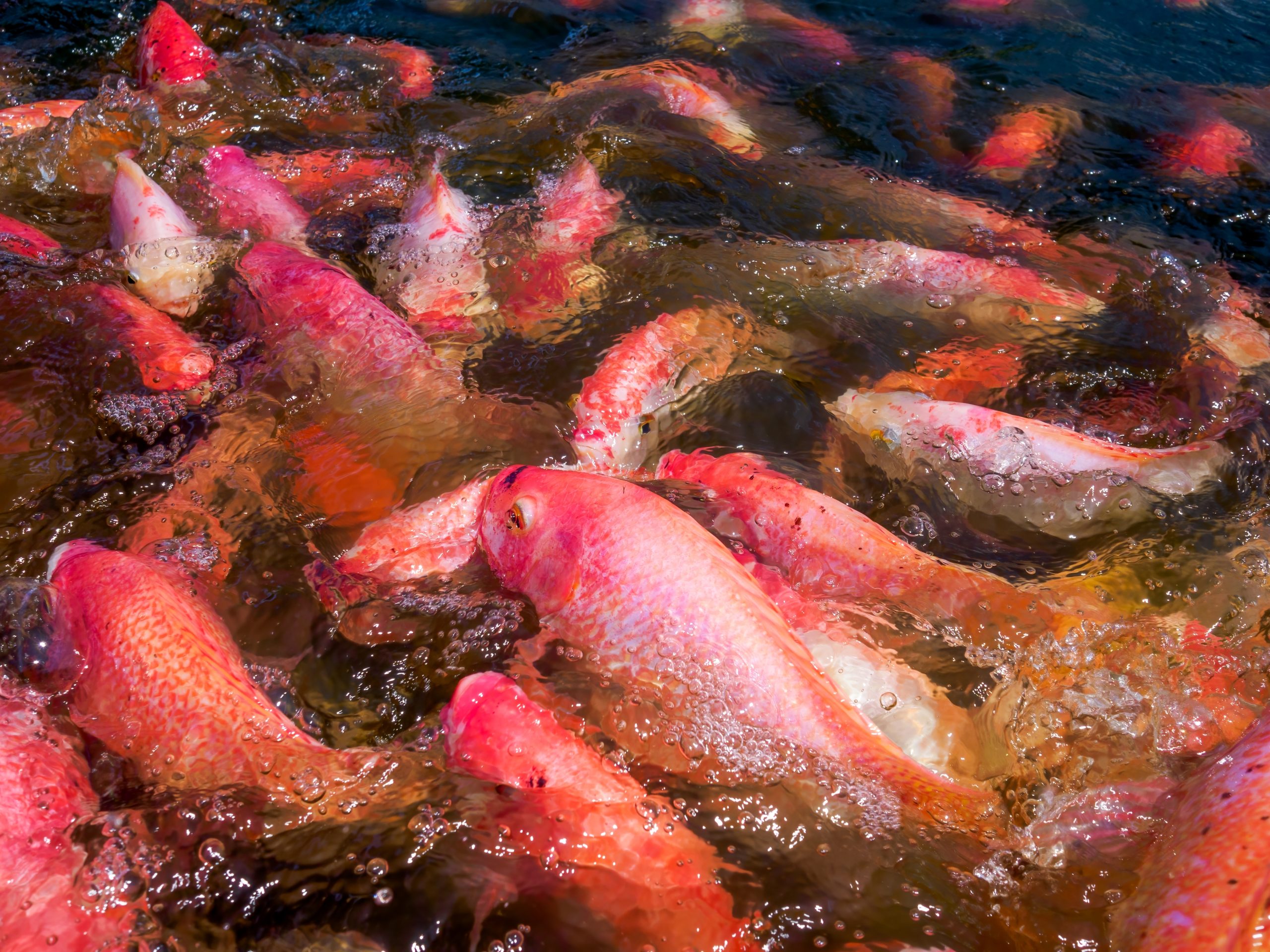
Pigment solutions play a crucial role in the animal feed industry, primarily in enhancing the coloration of products such as poultry skin, egg yolks, and farmed shrimp&fish. These natural or synthetic pigments, including carotenoids like astaxanthin, canthaxanthin, zeaxanthin, lutein, and beta-carotene are added to feed to meet consumer preferences for vibrant and visually appealing food products. The controlled use of pigments not only improves marketability but also reflects the overall health and diet quality of the animals.
Beyond aesthetics, pigments contribute to the nutritional value and well-being of livestock. Carotenoids function as antioxidants, supporting immune health and improving reproductive performance. Additionally, they aid in protecting animals from oxidative stress, which can be caused by environmental factors or metabolic processes. Proper formulation and dosage of pigment solutions are essential to achieving the desired coloration while maintaining the health and safety of the animals.
The use of pigment solutions in animal feed must comply with regulatory standards to ensure food safety and consumer confidence. Authorities such as the European Food Safety Authority (EFSA) and the U.S. Food and Drug Administration (FDA) set guidelines for the permissible types and levels of pigments used in feed. The industry continues to innovate, developing sustainable and natural pigment alternatives to meet increasing consumer demand for clean-label products. As research advances, pigment solutions will remain a key factor in improving both the visual appeal and nutritional quality of animal-derived foods.