Feed Quality Management
Optimizing Feed Quality Through Advanced Feed Additives

Ensuring the quality and safety of animal feed is a fundamental aspect of livestock production. The incorporation of specialized feed additives such as antioxidants, anti-mold, anti-salmonella and pellet binders plays a critical role in preserving feed quality, enhancing nutritional stability and mitigating contamination risks.
Antioxidants serve to prevent the oxidation of essential nutrients and fats, thereby maintaining feed freshness and extending its shelf life. By safeguarding the nutritional composition of feed, antioxidants contribute to improved livestock health, growth performance and overall farm productivity.
The presence of mold and harmful bacteria in feed poses significant threats to animal health and production efficiency. Antimould agents effectively inhibit fungal growth, preventing the formation of mycotoxins that could compromise feed safety and lead to adverse health effects. Concurrently.
Anti-Salmonella treatments are essential for mitigating bacterial contamination, thereby reducing the risk of gastrointestinal infections and enhancing biosecurity in feed management. The implementation of these preventive measures ensures compliance with food safety regulations while promoting a healthier and more sustainable livestock industry.
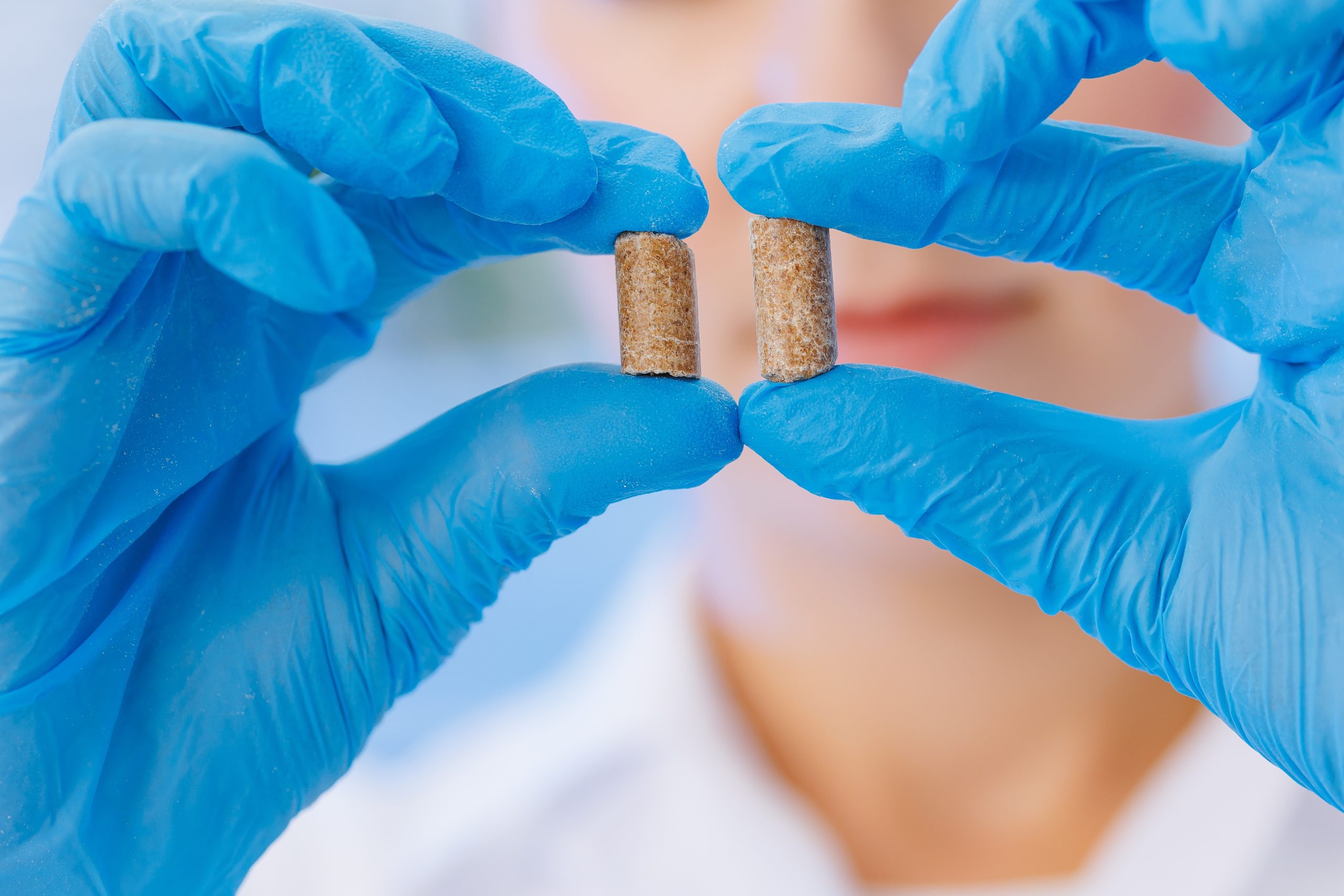
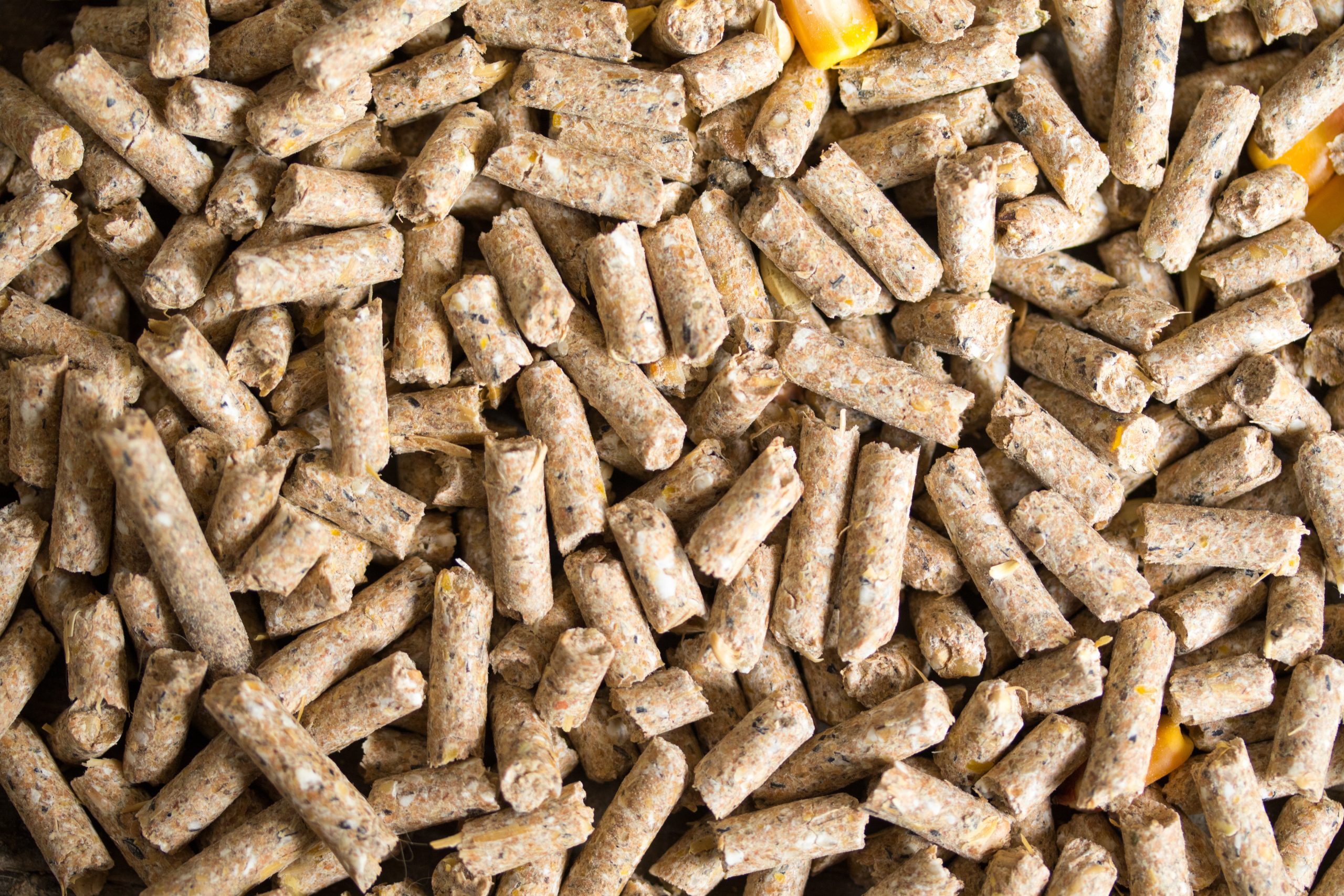
Beyond safety considerations, the physical quality of feed is equally important in optimizing feed utilization and minimizing losses. Pellet binders enhance pellet durability, reducing feed dust and ensuring uniform nutrient distribution. Improved pellet integrity facilitates better feed intake and digestion, ultimately leading to enhanced feed efficiency and animal performance.
By integrating antioxidants, antimould, anti-salmonella and pellet binders into comprehensive feed management strategies. Producers can uphold feed quality, ensure livestock well-being and achieve greater economic and operational efficiency in animal production.